Spotting trouble before it costs you more
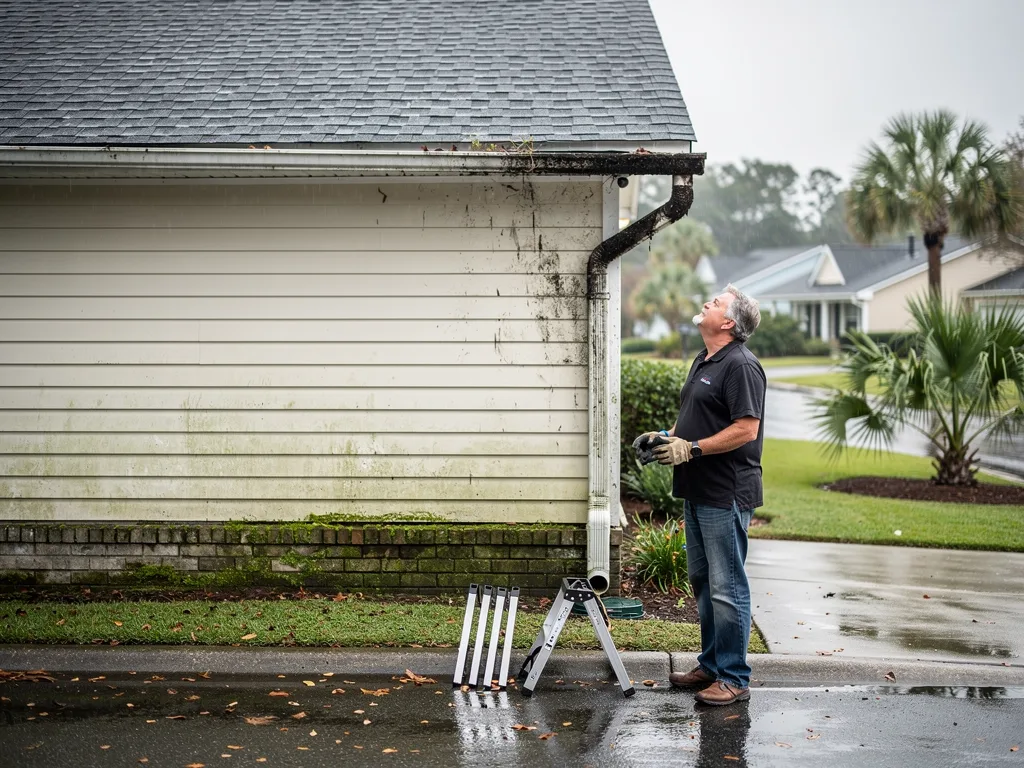
Gutter work on a Mount Pleasant home starts with paying attention. Our team at Mount Pleasant Gutters Services often sees problems that homeowners can spot from ground level. The first clue is water where it doesn’t belong. If you see water spilling over the sides during a moderate rain, that’s a sign the system isn’t carrying rain away as it should. Another telltale cue is gutter sag. When gutters start to pull away from the fascia, they collect more water and debris, which makes the problem worse in a hurry.
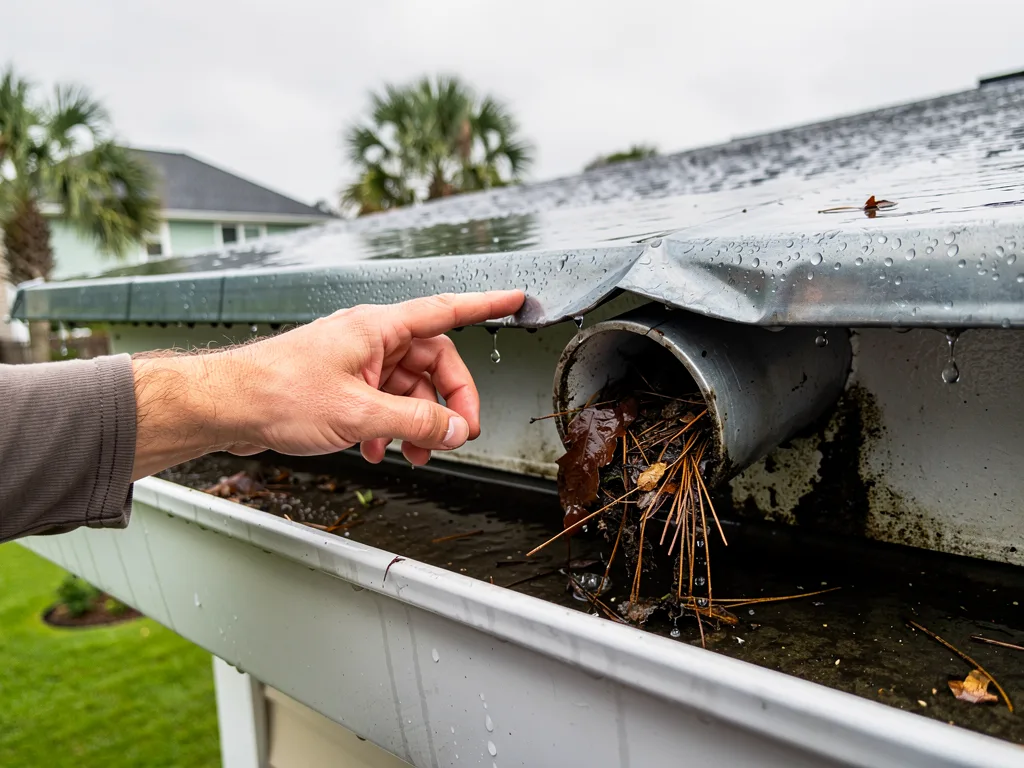
In Mount Pleasant, our climate brings summer storms and heavy fall leaves. Debris can clog downspouts and create standing water behind screens or in the trough. Check for rust or loose fasteners as well. A gutter with loose hangers or bursting seams often leaks and can cause roof edge rot if left untreated. These signs don’t fix themselves. They’re your cue to call a gutter installer who keeps the system moving the right way.
What specifically to look for on your Mount Pleasant home
On a typical waterfront or marsh-adjacent lot, you’ll notice runoff puddling near the foundation. That means water is not exiting the roof line efficiently. Also watch for peeling paint along the fascia, which can be a symptom of moisture intrusion from poorly performing gutters. If you have a metal roof, you may hear a faint drip sound after a storm, another sign the gutters may not be directing water properly.
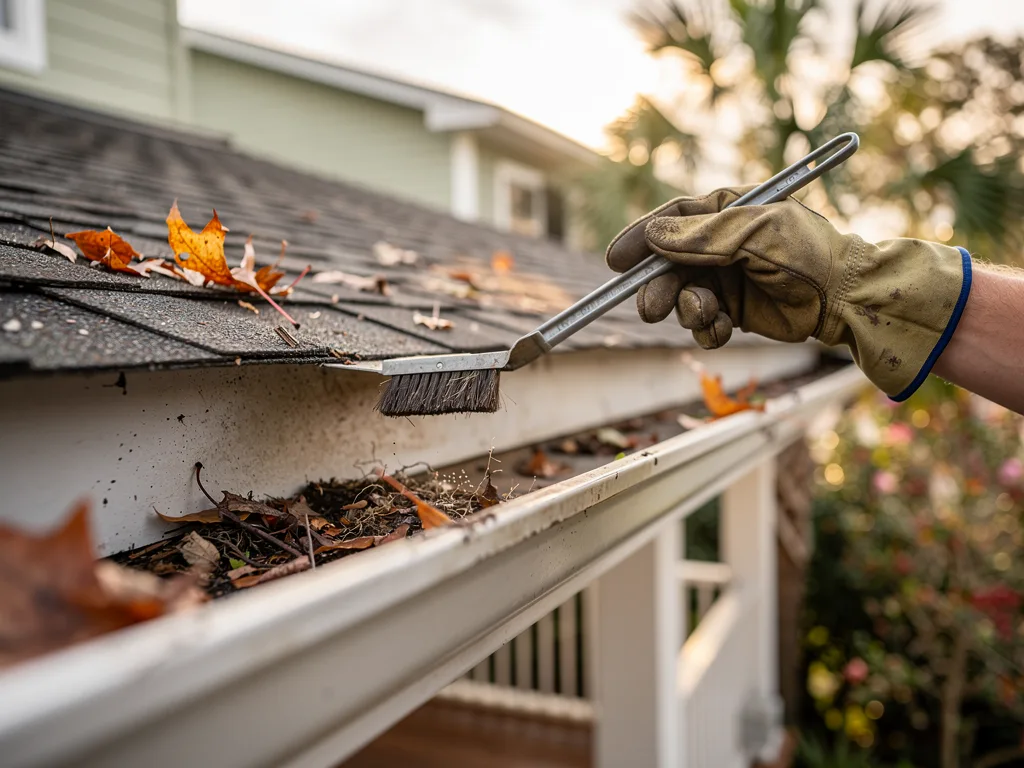
Seasonal changes matter too. In fall, leaves clog the troughs. In spring, seed pods and pine needles can accumulate. If you’re noticing more mulch or soil erosion around the foundation after a rain, that’s another indicator. Our gutter installers at Mount Pleasant Gutters Services can diagnose these signs and explain simple fixes that fit a Mount Pleasant budget and home style.
What to do next
Start with a basic inspection from the ground. Look for loose hangers and misaligned sections. If you’re comfortable, clear large debris from the top edge and check that water flows smoothly through a downspout. For stubborn clogs or suspect damage, schedule a formal inspection. Our team can assess downspout blockages, gutter pitch, and loose connections, then outline practical options that keep water away from your home.
Practical steps you can take now
- Clear large leaves from the gutter line so water can move freely during a rain.
- Move vehicles or outdoor items away from the downspouts to get a full view during inspection.
- Note any spots where the ground dampens unusually after a rain, these could signal leaks.